

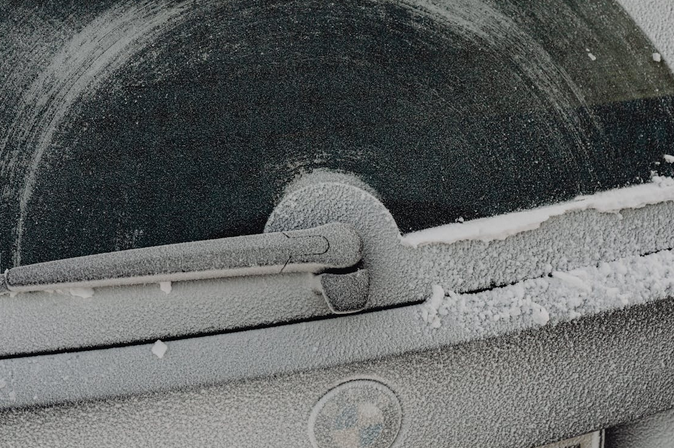
How to Clean and Maintain Your Wiper Blades
Your wiper blades are your first line of defense against rain, snow, and grime. Yet, many drivers overlook their maintenance until it’s too late. Imagine driving in a downpour with streaked windows or, worse, wipers that fail to clear your view completely. Regular cleaning and maintenance can extend the life of these essential components and ensure optimal performance when you need your windscreen wipers the most. This guide can help.
Lubricating Wiper Arm Joints
Lubricating wiper arm joints is an often-overlooked but crucial task that can enhance the lifespan of your wipers. Over time, these joints can become stiff due to dirt and grime buildup. This stiffness affects their movement, leading to uneven wiping and potential damage. To lubricate effectively, use a silicone or lithium-based grease. Apply a small amount directly onto the joint while ensuring not to overdo it. A little goes a long way in keeping those mechanisms smooth. Moving the wiper arms up and down after applying lubricant helps distribute it evenly throughout the joint. This simple action ensures fluid motion during rainy conditions.
Removing Built-up Road Grime and Tree Sap
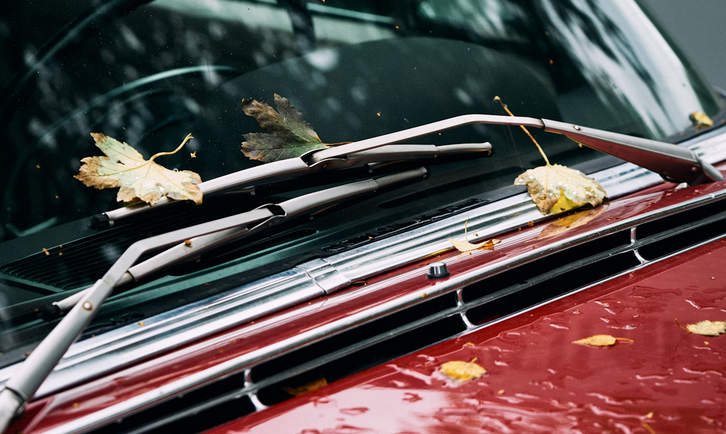
Road grime and tree sap can be stubborn foes for your wiper blades. When these substances accumulate, they hinder performance and may even scratch your windshield. To tackle road grime, start by soaking a clean cloth in warm soapy water. Gently wipe the affected area on the blade to lift away dirt without causing damage. Then, rinse with plain water afterward to ensure no soap residue remains. Tree sap requires a different approach. Isopropyl alcohol is effective here. Dampen a cloth with it and gently rub the sap until it dissolves. Be careful not to apply too much pressure; you want to preserve the rubber’s integrity. After cleaning, inspect the blades for any signs of wear or damage.
Storing Blades During Long Vehicle Storage
When you plan to store your vehicle for an extended period, don’t forget about your wiper blades. They need care too. Start by lifting the wiper arms away from the windshield. This simple action prevents them from sticking to the glass and helps maintain their shape. Using a microfiber cloth or plastic wrap around the blades is also a good idea. This is an additional protection against dust and debris. This barrier keeps them clean while they’re idle. If possible, remove the blades entirely before storing your car. Keeping them in a cool, dry place can help extend their lifespan significantly. Regular checks during storage are also advisable.
Cleaning With Alcohol Wipes

Cleaning your wiper blades regularly is crucial for maintaining their performance. One effective method is using alcohol wipes. These handy tools can make a noticeable difference. Start by gently lifting the wiper arm away from the windshield. This makes it easier to access the rubber blade without obstruction. Take an alcohol wipe and thoroughly clean the entire length of the rubber edge. Focus on any areas that appear dirty or discolored, as these spots can lead to streaking during use. The alcohol not only removes dirt but also helps eliminate grime buildup, ensuring smooth operation when activated.
When Cleaning Can’t Restore Performance
Cleaning your wiper blades is essential, but sometimes it just isn’t enough. If you’ve tried all the methods and still experience streaking or skipping, it might be time to consider replacing them. Worn-out rubber can lose its effectiveness even after thorough cleaning. Look for signs of damage like cracks or tears on the blade edge.
These indicate that it’s no longer providing optimal performance. Additionally, if you notice a persistent squeaking sound while using them, this could signal deeper wear issues. Wiper blades typically need replacement every six months to a year, depending on usage and weather conditions.…






 Classic cars have an edge that modern-day automobiles don’t; they are built with quality and performance in mind. Most classic cars are made from metal instead of plastic, so they’re more durable and reliable. Plus, many of them feature powerful engines – like the big powerful V8s – that provide the kind of performance you don’t get from new cars. Whether a muscle car or an exotic classic, these vehicles are built to perform, and they can take a beating on the track. That’s why they remain sought after by enthusiasts and collectors alike.
 Collecting classic cars is more than just a hobby – it’s a passion. These vehicles evoke nostalgia and tug at heartstrings, recalling fond memories of road trips, family vacations, and other special moments. For people who grew up in the ’50s and ’60s, classic cars represent a simpler time when life was more relaxed. Collecting these vehicles is a way to connect with the past and preserve its legacy for future generations. Without a doubt, classic cars will always remain special for their ability to evoke emotion and bring back cherished memories.


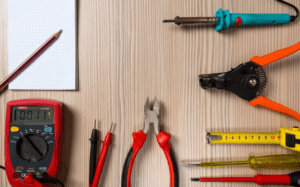 Here is what to do if the driver’s side electric window fails to operate properly or becomes trapped in a position. Before beginning your fix, be certain to have identified the issue. Make certain the glass is not jammed from the rubber clogs and seals. Ensure no physical harm to the wiring boot into the doorway is evident. If both front windows don’t function, then the error is most likely not from the ECM aka the Electric Window Module. You’ll require the
  The ECM is the printed circuit board with parts on one side and the solder joints and paths on the opposite. If these exist, there could be a related track burn or soldering mistake which may be repaired. A normal dry joint is revealed close to the middle and is the most frequent fault.